
The Psychology of Interior Spaces

Why Some Places Feel Right?
The Psychology of Interior Spaces
Have you ever walked into a room and felt an instant sense of calm? Or entered a space that made you comfortable without knowing why? That’s the power of interior design. It affects your mood, productivity, and even your daily habits in ways you might not realise.
At Genre of Design, we design high-end homes, resorts, commercial and township spaces across India, including Delhi NCR, Itarsi, Jodhpur, Udaipur and Ayodhya. And one thing we always consider? How spaces make people feel.
Colour Changes Everything
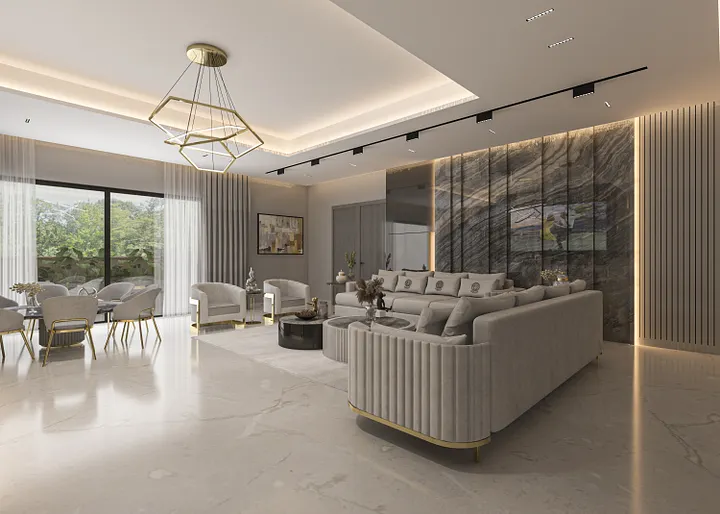
Colour isn’t just about aesthetics; it influences mood, perception, and even behaviour. The right choice depends on the purpose of the space and its design style.
Luxury Hotels/ Resorts: Ever noticed how luxury hotels use deep, warm tones? That’s because colours like beige, brown, and soft gold create a cosy, welcoming feel.
Offices and Workspaces: Shades of grey are commonly used in corporate settings as they evoke professionalism and neutrality. However, creative workspaces may incorporate blues or greens to enhance focus and reduce stress.
High-End Homes: High-end residences often lean towards white, beige, or grey, creating a sophisticated and timeless feel. The exact shade depends on the architectural style- minimalist homes prefer clean whites or greys, while classical designs use warm neutrals, and luxury adds a lot of gold accents to the interior space.
Hospitals & Healthcare Spaces: Almost always white (as seen in the majority of such spaces). It isn’t just for cleanliness; it psychologically signals sterility, order, and calmness, helping patients feel at ease.
Institutions & Educational Spaces: The colour scheme varies based on the institution’s purpose. Schools may use soft, warm colours to promote concentration and creativity, while universities often favour neutral or muted tones for a professional and academic atmosphere.
The key is to choose colours that not only look good but also enhance the function of the space. A well-thought-out colour palette can shape experiences without people even realising it.
Natural Light Is A Game Changer
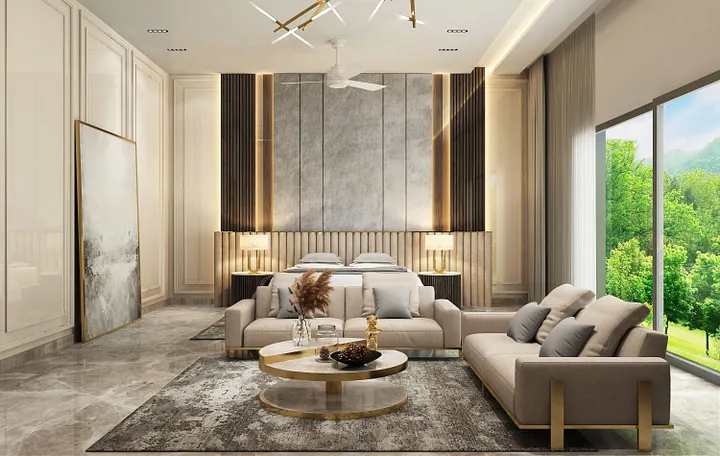
Sunlight makes a space feel open and fresh. It’s also proven to improve mood and energy levels.
In our residential projects, we focus on big windows and open layouts to maximise daylight.
Space & Flow Affect Your Mood
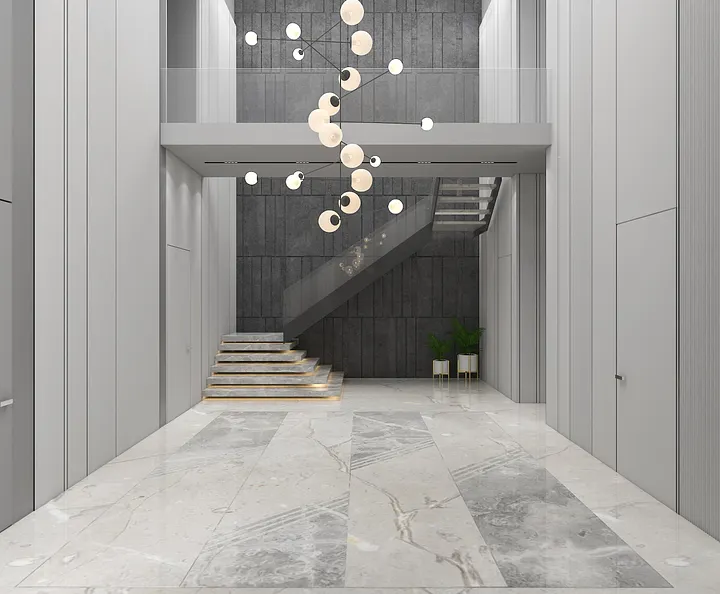
Cluttered, cramped spaces can make you feel restless.
Open, well-planned layouts feel calming and luxurious.
That’s why high-end apartments in cities like Mumbai and Bangalore are moving towards smart zoning- separating work, relaxation, and social areas seamlessly.
Tips to Design Spaces That Feel Good
- Use neutral, calming tones for a timeless and relaxing effect
- Prioritise big windows and well-placed lighting for a fresh, natural look.
- Keep layouts simple and clutter-free to avoid stress and discomfort.
- Add natural materials like wood, stone, and plants. They bring warmth and balance.
A well-designed space isn’t just about looking beautiful; it should make you feel good every time you step inside. If you’re designing a home, office, or resort in India, consider working with experts who understand the psychology behind interiors.
Thinking of starting a project? Let’s Talk.
Website- https://genreofdesign.com/
Instagram- https://instagram.com/genreofdesign/
Mail- info@genreofdesign.com
Ph: +91 95996 95099
 Building a builder floor in South Delhi: what developers should know before the first drawing
 Building a house in Jodhpur: plan for the heat before you plan the rooms
 Building on the hillside: how The Madar Lake Resort in Udaipur is taking shape in stone